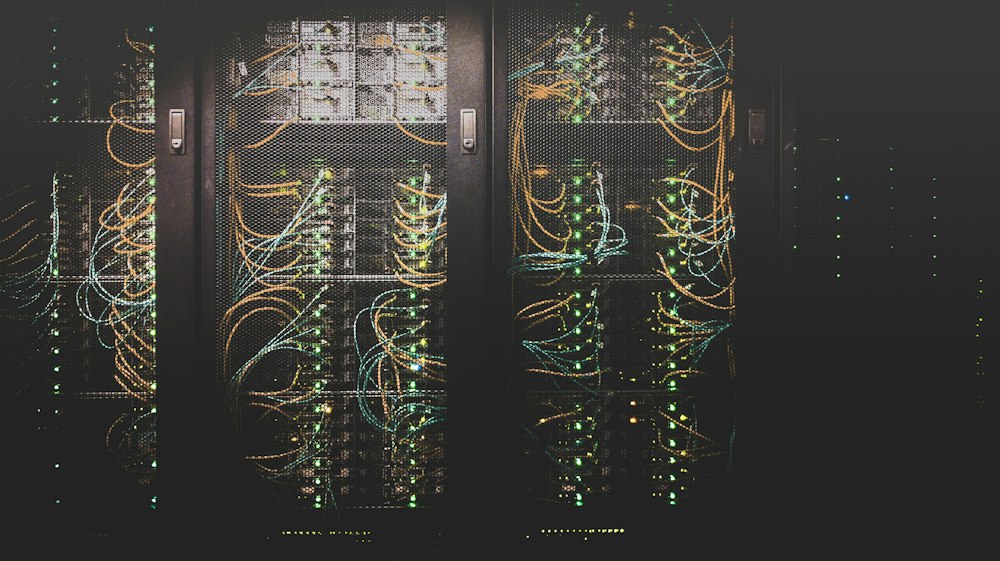
For the past decade, cloud computing has been the undisputed backbone of the modern internet infrastructure. Millions of organizations rely heavily on centralized servers managed by tech giants to store data and run applications. However, as the world transitions into the era of ultra-low latency demands, an innovative paradigm shift is taking place: the rise of Edge Computing.
As digital ecosystems become increasingly crowded with smart devices, relying solely on distant centralized cloud data centers is no longer efficient. To put it simply, modern tech demands instant processing. This is where edge computing steps in, redefining how data is handled and establishing itself as a crucial infrastructure standard for next-gen technology.
1. Understanding the Core Concept of Edge Computing
In traditional cloud computing, every time your smart device captures a piece of data, it sends that information across the internet to a centralized server—which could be thousands of miles away—processes it, and then sends a response back. This journey creates a tiny delay known as latency.
Edge computing solves this problem by bringing data storage and computation much closer to the location where it is actually needed. Instead of traveling to a massive server across the country, data is processed locally at the "edge" of the network, such as on a local router, a nearby cellular tower, or even directly on the device itself.
"Edge computing isn't designed to completely replace the cloud; rather, it optimizes the network by handling time-sensitive data locally while sending heavy, long-term logs back to the centralized servers."
2. The Solution to the Ultra-Low Latency Era
Why does this matter so much right now? The answer lies in emerging technologies like Autonomous Vehicles (self-driving cars), industrial automation, and smart medical equipment. These technologies operate in environments where a delay of even a few milliseconds can be catastrophic.
For instance, an autonomous vehicle navigating through a busy city street cannot afford to wait 50 milliseconds for a cloud server to analyze an obstacle and send back a command to brake. It requires instant, real-time data processing. By leveraging edge networks, critical decisions are made instantaneously, drastically improving safety and operational reliability.
3. Saving Bandwidth and Improving Security
Beyond unmatched speed, edge computing delivers massive benefits in terms of network bandwidth and data privacy. With billions of IoT (Internet of Things) devices continuously streaming high-definition data, the global internet grid faces unprecedented congestion.
By filtering and processing data locally, only the most essential summaries are transmitted over the broader network, saving tremendous amounts of bandwidth. Furthermore, since sensitive information is handled on-site rather than traversing the public cloud, it significantly minimizes the risk of intercepting or exposing corporate data to external cyber threats.
As tech enthusiasts looking toward the horizon at TECHNOID, it's clear that the future belongs to a decentralized web. Edge computing is no longer a distant luxury—it is officially becoming the essential foundation for a truly seamless, responsive, and secure digital world.