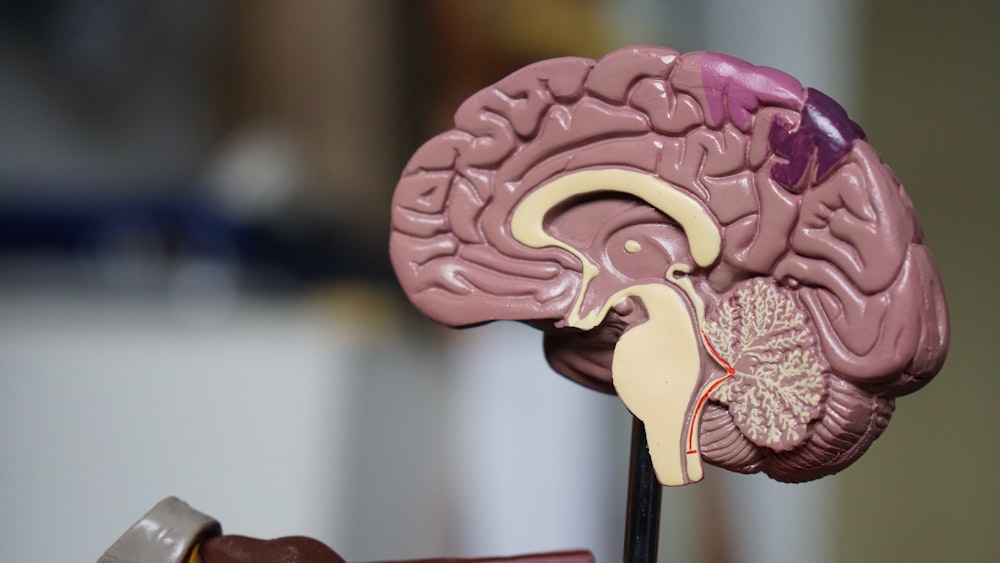
For centuries, the barrier between human consciousness and digital tools has been hardware: keyboards, mice, touchscreens, and voice commands. But what if we could bypass these physical interfaces entirely? We are entering the age of Brain-Computer Interfaces (BCI), a revolutionary field that seeks to establish a direct communication pathway between the human brain and external computers.
With companies like Neuralink and various academic research institutions making rapid breakthroughs, BCI technology is transitioning from the realm of science fiction into clinical reality. This advancement promises not just to restore lost abilities to those with neurological conditions, but to fundamentally redefine how we interact with technology itself.
1. How BCI Technology Translates Thought into Action
At its core, a BCI works by capturing electrical signals from the brain’s neurons. Every time we think, move, or perceive, our brains generate tiny electrical impulses. Advanced BCI sensors—whether non-invasive like EEG caps or invasive like high-density electrode implants—detect these patterns.
Sophisticated AI algorithms then decode these signals in real-time. For instance, if a person intends to move a computer cursor, the BCI detects the specific firing pattern of the motor cortex associated with that movement and converts it into a digital command on the screen. It is essentially translating "thought" into "digital input" with lightning-fast speed.
"The goal of BCI is not to control the human mind, but to provide an unfiltered, high-bandwidth bridge that allows human intent to flow directly into the digital world."
2. Restoring Human Potential
The immediate and most noble application of BCI technology is in medical rehabilitation. For patients suffering from spinal cord injuries, ALS, or locked-in syndrome, BCIs offer a lifeline. By bypassing damaged nerve pathways, patients can regain the ability to control prosthetic limbs, communicate via text-to-speech software, or even navigate their digital environments simply by thinking.
This is a profound shift in medical tech; we are no longer just treating symptoms but are restoring functional autonomy by linking the patient's nervous system directly to assistive hardware.
3. The Ethical Frontier and Future Challenges
While the potential for BCI is exhilarating, it also opens up an unprecedented ethical frontier. As BCI technology scales, we must address critical questions regarding neural data privacy. Your brain activity is the most intimate data you possess; the thought of this data being stored, processed, or potentially intercepted by digital platforms requires robust, new security frameworks.
Furthermore, the long-term biological impact of integrating digital interfaces with organic brain tissue remains a subject of intense scientific scrutiny. Balancing the need for high-speed data transmission with neuro-safety is the current grand challenge for hardware engineers.
Here at TECHNOID, we see BCI as the ultimate upgrade to the human experience. Whether it evolves into a tool for medical recovery or eventually enables humans to keep pace with AI in terms of processing speed, Brain-Computer Interfaces are undoubtedly the most exciting technological frontier of our generation.